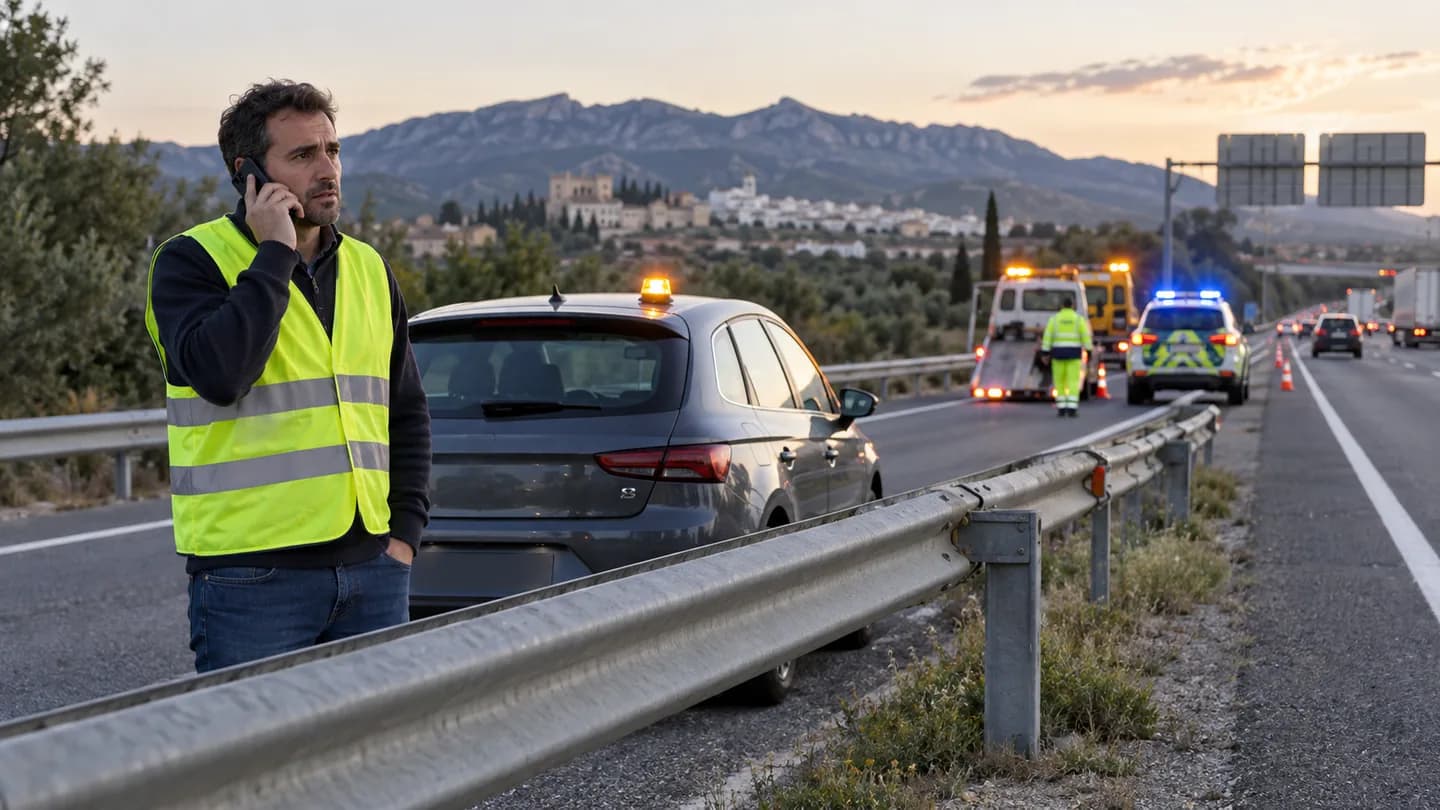
Vehicle lighting has two jobs: helping you see the road and helping other people see you. The right lights depend on the time, visibility, road type and other road users nearby. A brighter beam is not always safer: glare can hide the very hazard you are trying to spot.
Position, daytime running and dipped lights
Position lights make the presence and width of a vehicle visible in certain circumstances, but they do not light the road well enough for night driving. Daytime running lights improve a vehicle’s visibility during the day; by themselves, they do not replace dipped headlights when the law requires lighting.
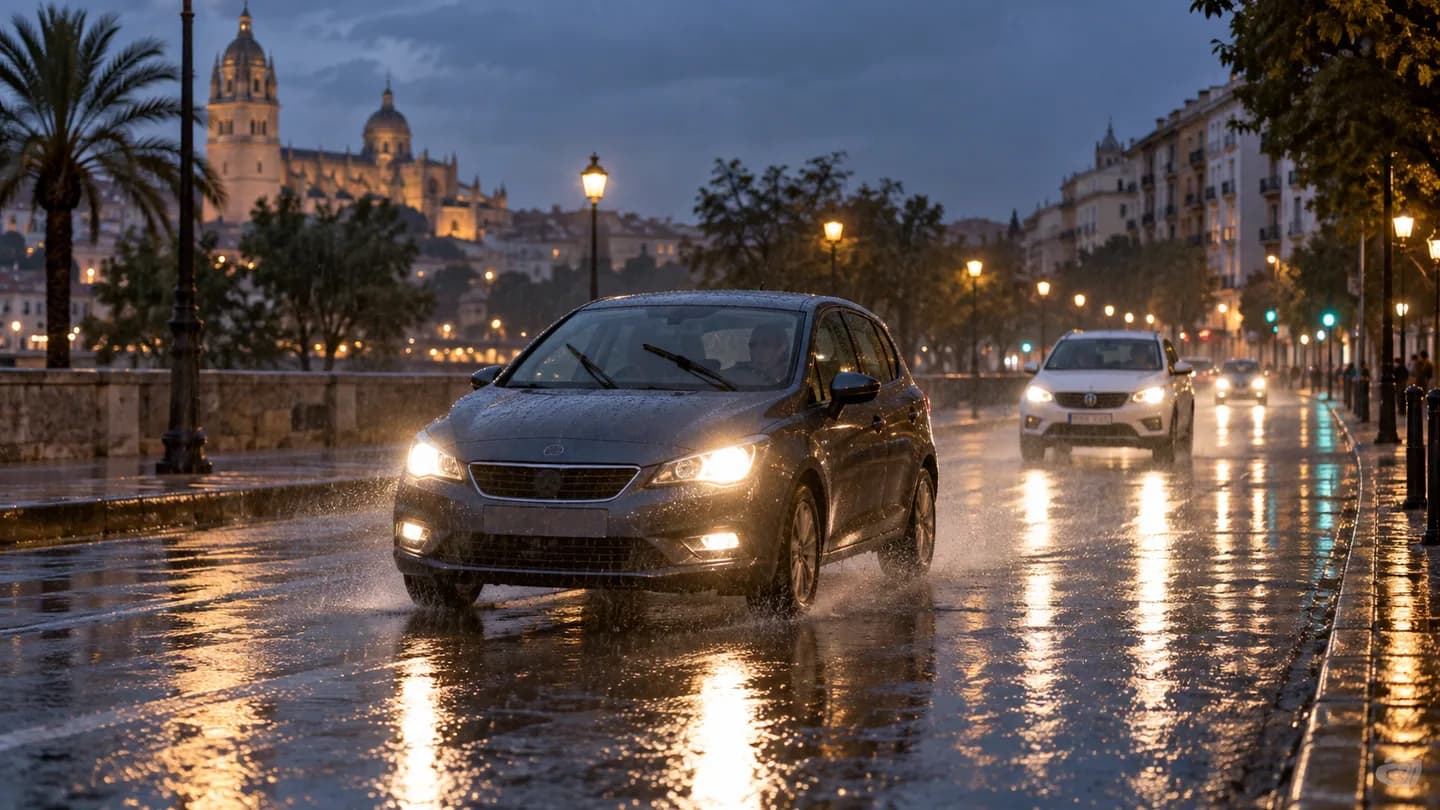
Dipped headlights, also called low beam, are the normal choice at night and when visibility is reduced. You must use them in tunnels, underpasses and stretches marked with a tunnel sign, and when heavy rain, fog, snow, smoke or another environmental condition significantly reduces visibility. Specific lighting rules also apply on reversible lanes, temporary extra lanes and lanes open in the opposite direction to normal traffic.
Full beam and fog lights
Full-beam headlights illuminate farther ahead. At night outside built-up areas, they are used on inadequately lit roads when travelling above 40 km/h, provided they do not dazzle anyone. Switch to dipped beam when approaching another vehicle, following one closely or if pedestrians could be dazzled. Use full beam again when the road ahead is dark and clear.
Front fog lights provide extra lighting when visibility is reduced and, in some cases, on narrow roads with successive bends. The rear fog light is very bright: reserve it for thick fog, heavy rain or snow, or dense clouds of smoke or dust. Switch it off as soon as it is no longer needed so it does not dazzle drivers behind.
Signals and common mistakes
Indicators communicate a change of direction or lateral movement. Signal early enough and check that the manoeuvre is safe. Hazard warning lights warn of danger, but they do not replace the required signal for a manoeuvre. Brake and reversing lights communicate what the vehicle is doing, so keep them in working order.
A common mistake is to use only daytime running lights at dusk, in rain or in a tunnel. On many cars this leaves the rear lights off. Another is to keep the rear fog light on in clear conditions, or to leave full beam on as another person approaches.
A simple check before setting off
Match your lighting to the actual conditions, clean the headlamps and check that both front and rear lights work. If you are unsure, choose lighting that lets you see without dazzling others, slow down and increase your safety distance. Road signs and current conditions matter: use this guide as an introduction and check the current rules for the specific situation.
Official sources
Rules and procedures checked on 25 September 2026. Check the official sources for any later changes.